Reliable Emergency Blankets for Practical Outdoor and Home Preparedness
How Emergency Blankets Enhance Your Safety During Outdoor Adventures and Home Emergencies
Imagine a scenario in late autumn when a severe winter storm causes a power outage that leaves you and your family without heat for several hours. The cold quickly becomes a concern, especially for children, older adults, or anyone with health vulnerabilities. In such situations, practical tools like emergency blankets can be essential for preserving warmth and comfort while awaiting restored utilities. Similarly, outdoor enthusiasts, hikers, and travelers can rely on these compact thermal blankets during sudden weather changes or unexpected overnight stays.
Why Emergency Blankets Are a Practical Addition to Your Survival Gear
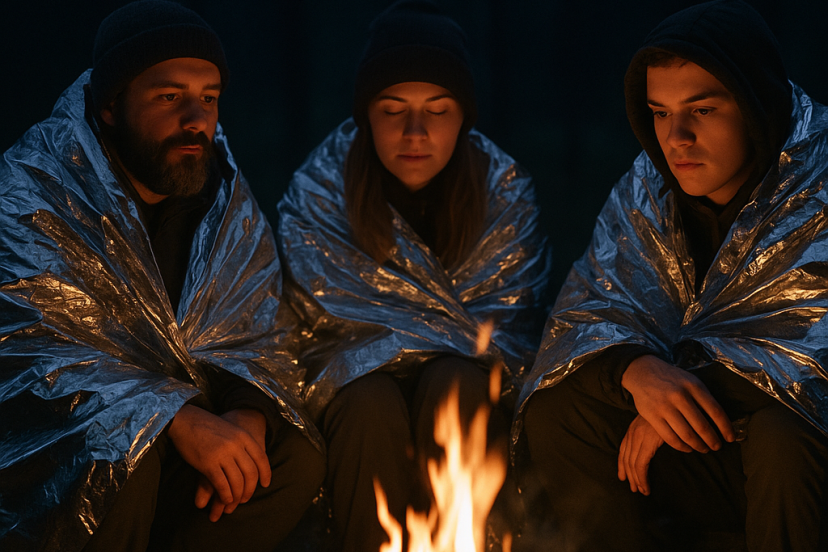
Emergency blankets, often made of aluminized Mylar, are designed primarily to retain body heat — reflecting up to 90% back to the user. Their thin and lightweight profile makes them an excellent choice for emergency preparedness without adding cumbersome bulk to your gear.
Real-World Use Cases
- Power outages: Keeping warm when heating systems fail, especially in cold seasons.
- Wildfire evacuations: Emergency shelter and warmth for quick escapes or temporary shelter setups.
- Camping and hiking: Adding an extra layer of insulation inside sleeping bags or as a windbreak.
- Vehicle emergencies: Winter car breakdowns where staying warm is critical until assistance arrives.
- First aid situations: Preventing hypothermia or shock after injuries.
- Disaster preparedness: Compact and easy to store addition to bug out bags, disaster kits, or family emergency kits.
Who Benefits Most From Emergency Blankets?
While emergency blankets are useful for nearly anyone, some groups find them particularly practical:
- Apartment dwellers: A compact warmth solution in smaller spaces with limited storage.
- Families with children and seniors: Providing extra warmth during power outages or cold emergencies.
- Outdoor enthusiasts and travelers: Lightweight, reusable, and multi-purpose for unpredictable conditions.
- Rural households: Useful when emergency services may take longer to arrive.
- Preppers and survivalists: A fundamental, versatile item for layered readiness strategies.
Storage and Maintenance Tips for Longevity
Emergency blankets require minimal upkeep, but proper storage helps ensure they remain reliable when needed:
- Keep blankets in a dry, cool place, ideally in the original packaging or resealable plastic bags to avoid moisture damage.
- Store them with other emergency essentials in your bug out bag, car emergency kit, or home preparedness box for easy access.
- Inspect occasionally for tears or punctures, especially if reused, as damaged blankets lose effectiveness.
- After use, gently clean with a damp cloth if necessary, then air dry completely before repacking.
Practical Safety Notes
- Avoid direct contact with open flames; emergency blankets are not fireproof and may melt if exposed to high heat.
- Emergency blankets are thin, so they are best used as an additional insulation layer with proper clothing or shelter.
- Use under supervision with children to prevent suffocation hazards, ensuring blankets are not wrapped too tightly.
Pros and Considerations
- Pros:
- Excellent heat retention reflecting body warmth.
- Lightweight and compact for easy transport and storage.
- Multipurpose uses including shelter, ground cover, and signaling.
- Reusable when handled carefully of tear-resistant material.
- Considerations:
- Not a substitute for heavy insulation in extreme cold but a supplement.
- May crinkle and be noisy, which can be a drawback in some outdoor settings.
- Susceptible to punctures if used roughly or in thorny environments.
How This Fits Into an Emergency Preparedness Plan
Emergency blankets serve as an integral piece in a layered preparedness strategy. When combined with appropriate clothing, shelter, and heating methods, they provide an extra buffer of safety and comfort.
- Home preparedness: Include blankets in your disaster kit alongside water, food, first aid supplies, and alternative heating methods.
- Car kits: Easily stored in glove compartments or trunks for winter safety or roadside emergencies.
- Outdoor kits: Pack them as part of hiking backpacks, camping gear, or bug out bags for compact emergency warmth.
- First aid kits: Use to protect injury victims from hypothermia or shock until professional care is available.
By thoughtfully incorporating emergency blankets, you improve readiness for a wide range of situations—adding a reliable tool that maximizes limited resources in unexpected moments.
What to Look for When Choosing Emergency Blankets
- Material quality: Look for aluminized Mylar with tear resistance for durability and thermal efficiency.
- Size when unfolded: Ensure the blanket is large enough to cover at least one person comfortably (typically around 82″ x 52″).
- Pack size and weight: Choose lightweight, compact packs that fit easily into your preparedness kit without adding bulk.
- Reusability: Durable blankets that can be folded back and reused provide better long-term value.
- Multipurpose utility: Consider blankets that can double as ground cover or emergency shelters for versatility.
Choosing the right emergency blanket ensures you have a dependable warmth retention tool that fits seamlessly into your broader preparedness plan.