Comprehensive Survival Kit for Practical Outdoor and Emergency Preparedness

Comprehensive Survival Kit: Practical Gear for Emergency and Outdoor Readiness
Imagine waking up to a severe storm that knocks out power in your area for an extended period. Communications may be limited, the roads could be difficult to traverse, and basic supplies might become hard to access quickly. Having a well-stocked, thoughtfully organized survival kit can provide peace of mind and immediate relief in such scenarios. Whether you are evacuating due to a wildfire threat, navigating a challenging backcountry hike, or simply preparing for unpredictable outages, a survival kit tailored to address multiple needs is a crucial part of your preparedness strategy.
Key Features of a 250-Piece Survival Kit
A comprehensive survival kit that includes around 250 pieces is designed to cover a broad spectrum of emergency and outdoor situations. These kits often combine first aid essentials with versatile survival tools that can assist you in everything from medical care to shelter creation and basic navigation.
- Basic First Aid Supplies: Bandages, tweezers, scissors, tourniquet, cotton swabs, and wound pads help manage minor injuries and stabilize more serious conditions until professional help arrives.
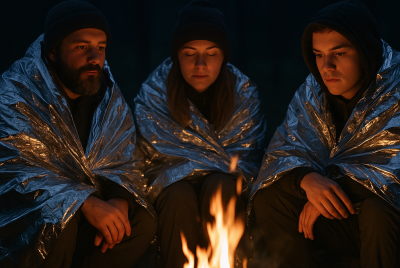
- Survival Tools: Multifunctional axe, folding shovel, knife, fire starter, compass, whistle, and a waterproof emergency blanket and tent aid in shelter-building, navigation, warmth, and signaling.
- MOLLE-Compatible Carrying Bag: Durable water-resistant nylon material with attachment straps allows this kit to be affixed to backpacks, belts, or vests for quick access on the move.
Real-World Emergency Use Cases
This type of survival kit is well-suited for a variety of scenarios, both urban and wilderness-based:
- Extended Power Outages: Having first aid and warmth gear readily available reduces risk when utilities are down.
- Natural Disasters: Earthquakes, tornadoes, or floods often necessitate rapid evacuation and temporary shelter; tools like emergency tents and compact shovels can be lifesaving.
- Outdoor Adventure: Hikers, campers, hunters, and backpackers benefit from multi-use tools and first aid components for unplanned situations in remote environments.
- Travel and Vehicle Emergencies: Compact and portable kits are also valuable when traveling through areas with limited medical or supply services.
Who Benefits Most from a Comprehensive Survival Kit?
This kit’s versatility makes it suitable for a broad audience, including:
- Families and Apartment Dwellers: Space-efficient design helps keep first aid and survival gear organized without clutter.
- Rural Households: Access to emergency services may be delayed; having comprehensive tools on hand is essential.
- Outdoor Enthusiasts: Those participating in hiking, hunting, and camping will find the multi-functional tools practical for unexpected challenges.
- Frequent Travelers: Portable, MOLLE-compatible bags with essential gear support preparedness regardless of location.
How This Fits Into an Emergency Preparedness Plan
A layered preparedness plan enhances resilience by addressing multiple needs across scenarios. This survival kit complements:
- Home Emergency Kits: While home kits store food, water, and shelter items, this kit brings focused first aid and compact survival tools that may not be included elsewhere.
- Go-Bags and Bug-Out Bags: Its MOLLE compatibility allows integration with tactical bags for quick grab-and-go readiness.
- Vehicle Emergency Kits: Keeps tool and medical items in a durable case that withstands motion and potential moisture inside vehicles.
- Community and Workplace Preparedness: Ideal for building a personal or group kit that can be kept within reach during evacuations or building lockdowns.
Storage and Maintenance Considerations
- Keep It Accessible: Store your kit in a location known to all household members and easy to reach during an emergency.
- Periodic Checks: Regularly inspect items for expiration dates (especially first aid supplies), damage, or moisture exposure.
- Bag Care: Maintain the water-resistant bag by cleaning with mild soap and water as needed and ensuring dry storage to prevent mold or mildew.
- Update Items: Tailor the contents over time based on changing family needs, skill levels, and advances in gear.
Practical Safety Notes
Even the best kit requires knowledge and practice. It’s helpful to familiarize yourself with the use of first aid tools and survival implements before an emergency. Consider first aid training and basic survival skill courses. Also, always check local regulations when carrying or using certain survival tools in public or protected lands.
What to Look for When Choosing a Survival Kit
- Comprehensive Contents: Includes both first aid and survival gear to address common emergency needs.
- Durable and Weather-Resistant Case: Protects contents from environmental damage and facilitates portability.
- Compatibility: MOLLE system compatibility or other attachment systems enhance integration with existing gear.
- Size and Weight: Balanced for portability without sacrificing essential item quantity.
- Quality and Certification: Items tested for reliability and meeting basic safety standards.
Pros and Considerations
- Pros:
- Extensive range of survival tools and first aid supplies in a single kit
- Portable, compact, and compatible with other gear
- Offers practical solutions for both urban and wilderness emergencies
- Water-resistant and durable storage bag
- Designed by survival experts to cover essential needs
- Considerations:
- May contain items unfamiliar to beginners—practice and training advised
- Check expiration dates on consumable first aid components regularly
- Not a substitute for specialized medical kits for severe emergencies
- Complement with additional supplies for prolonged survival situations
Supporting Safety and Preparedness Guidance
The Ready.gov Emergency Kit Guide from the U.S. Department of Homeland Security is a reliable resource outlining essential items for emergency kits and how to tailor them to personal needs and scenarios. It recommends including supplies for shelter, warmth, signaling, and basic medical emergencies—categories well addressed by a comprehensive survival kit.
Conclusion
A 250-piece survival kit with first aid, shelter, and multi-tool essentials serves as a versatile cornerstone for serious preparedness. Its portability and thoughtful design make it suitable for a range of users, from family households to outdoor adventurers. By understanding how it fits into your broader emergency plan and maintaining your kit regularly, you build a practical layer of safety that supports confidence and readiness without excess complexity.